Removal Van Kingston in Kingston

Removal van Kingston services are the practical choice when you need household or business items moved with care, orderly loading and a vehicle sized to suit the job. We provide removal van support for straightforward moves, furniture transport and planned collections, helping customers manage the work without unnecessary complication. If you need a move that is efficient, tidy and handled in a sensible sequence, our service is set up to keep the process clear from the first item lifted to the last item delivered.
Our work covers a range of moving tasks, from single bulky items to fuller loads that benefit from a properly managed van and careful handling. The emphasis is on protecting what matters, organising the load sensibly and making sure the move stays workable in real conditions. Good moving starts with the right space, the right handling and the right plan, especially where awkward access, mixed contents or time-sensitive arrangements are involved. For a clear quote and a service matched to your needs, start with our pricing and quotes page.
If you are ready to arrange a move or want to compare options, the simplest next step is to get in touch and explain what needs moving. We can then consider the size of the load, the collection point, the delivery point and any access points that may affect the work. You can contact us to request a quotation and discuss the most suitable approach.
Household moves and everyday transport
We handle domestic removal van work for customers who need furniture, boxes, appliances or mixed household contents moved in a controlled way. That can include small home moves, room clearances or the transport of larger pieces that need more than a standard car journey. A van-based move is often a sensible option when the volume is manageable but still needs proper loading, padding and sequencing to avoid damage or unnecessary strain.
For people moving between properties, the benefit lies in keeping the operation organised. Items can be grouped by room, packed for easier unloading and placed in the van in an order that reflects how they will be needed at the other end. Where items are delicate or oddly shaped, we use practical handling methods and, when appropriate, suitable wrapping or padding. The aim is to keep the move steady, not rushed, and to make sure the final delivery reflects the plan agreed at the outset.
Furniture, boxes and specialist items
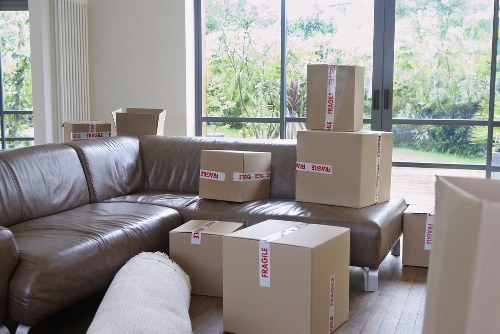
Our removal van service is also useful when the main task is moving furniture or a mix of packed boxes rather than a full property load. Sofas, wardrobes, tables, desks and similar items can often be moved more easily when they are treated as a coordinated load rather than as separate, last-minute jobs. We also support careful transport of boxed belongings, with attention to stacking, securing and keeping heavier items from crushing lighter ones.
Some items need extra planning because of size, weight or fragility. That may include dismantling where appropriate, using additional protection around corners and surfaces, or setting aside enough room in the van so the load does not shift in transit. Careful placement matters because a well-packed vehicle is easier to unload and less likely to lead to avoidable movement during the journey. When a move includes mixed furniture and boxes, we keep the approach practical and measured.
For larger or more awkward pieces, the best result often comes from matching the load to the vehicle rather than trying to force everything into a single hurried trip. If you need help with a particular item or a group of items that must be moved together, speak to us first and describe what is involved. A clear message at the start makes it easier to plan the right vehicle and handling steps.
How our removal van service is organised
We arrange removal van work so the moving day has a sensible order. That usually means understanding what is being moved, how access works at both ends and whether there are stairs, tight entrances or parking limits that need to be taken into account. Once the outline is clear, it becomes easier to estimate the loading approach and the time needed for the journey and unloading.
There are several useful details that help us prepare a quotation and recommend the right moving option. The most helpful are the type of items, approximate quantity and any notes about access. The following points are especially useful:
- the number of rooms or main item groups involved
- whether the load includes fragile, heavy or unusually shaped items
- if dismantling or reassembly will be needed
- any parking, stairs or long-carry details at either property
Once those basics are known, the move can be approached with more confidence and less guesswork. If you are comparing several services, it often helps to be consistent about what you describe, so the quotes you receive are based on the same information. That makes it easier to choose a solution that fits the load rather than relying on estimates that are too broad to be useful.
Planning around access and loading

Access can have a major effect on how a removal van job is carried out. Narrow streets, shared entrances, limited parking and upper-floor properties all shape the loading method and the order in which items should be handled. We take those factors into account when planning the work, because a move is always smoother when the route from property to van is thought through before the first item is carried.
Where access is straightforward, the process can often be completed efficiently with a simple loading sequence. Where access is tighter, more care is needed to avoid congestion, avoidable lifting and bottlenecks at doorways or stairwells. In practical terms, that may mean separating loads into manageable groups, setting the heaviest pieces aside for a particular stage or arranging the van load so the first items needed at delivery are easy to reach. Order and balance are central to a safe, tidy move.
If you are preparing for a move, a few ordinary steps can make the day easier without turning preparation into a project. Keep similar items together, remove loose contents from drawers where suitable and make sure the path from the property to the vehicle is as clear as possible. These simple measures help the removal van work proceed in a more controlled way, especially where the timing is fixed or access space is limited.
Commercial moves, offices and premises transport
Removal van support is not limited to homes. We also assist with commercial moves where items such as desks, chairs, storage units, boxed files or equipment need to be transferred carefully between premises. Office moves often require more sequencing than people expect, because items may need to be arranged so that essential equipment and furniture can be placed where they are needed without unnecessary confusion.
For smaller business moves, a van-based approach can be an effective middle ground between doing the work in stages and booking a much larger vehicle than the job requires. It is especially useful where the load is substantial enough to benefit from proper handling, but not so large that a full-scale removal lorry is necessary. Where appropriate, items can be grouped by department, room or function so unloading is quicker and easier to follow. If your move is business-related, our commercial moves page gives a clearer idea of the type of work we cover.
Furniture collection and onward delivery

Some customers need a removal van for a purchase, a collected item or a short-notice transport task rather than a whole move. Furniture collection and delivery work is often about timing, safe lifting and keeping the item in good condition between pickup and destination. That can be especially useful for online purchases, private sales or items that are too large to transport in a regular car.
We can help move single items, multiple pieces from one address or a mixed load collected from a seller and delivered to a home or workplace. The practical value of this service is that the item is treated with the same attention as part of a larger move: loaded properly, secured sensibly and handled with care at both ends. If your needs are centred on a single piece, our furniture pick-up page is a useful place to look at the kind of transport support available.
When a collection involves stairs, tight entrances or awkward dimensions, it is worth describing those points early so the move can be planned correctly. That does not need to be complicated; a short explanation of the item, where it is being collected from and where it is going is often enough to identify the likely requirements. Clear information at this stage helps reduce avoidable delays later.
Choosing the right van-based removal option
Different loads call for different approaches, and part of the value of a removal van service is matching the vehicle and handling style to the job rather than assuming every move is the same. A compact load may only need careful item placement and enough room to prevent damage, while a fuller move may need more detailed planning around what goes in first and what must remain accessible for unloading. We keep the approach proportionate to the work.
For customers comparing options, the main questions are usually about load size, access, fragility and whether the move must happen in a particular sequence. Those factors determine whether a simple van move is suitable or whether the job would benefit from a broader removals arrangement. Where the job sits between those two points, a focused van service can be a sensible, practical choice that avoids paying for more capacity than is needed. See our removal services page for a wider view of the moving work we offer.
Good moving decisions are often made by combining the facts about the load with a realistic view of the property layout. That is why we place such emphasis on the details that affect access, packaging and lifting. The more accurately the move is described, the easier it is to shape a quotation that reflects the task rather than a rough guess. If you are unsure which option fits, ask and describe the items plainly.
About Kingston
Kingston upon Thames, commonly shortened to Kingston, is a historic town in southwest London on the north bank of the River Thames. It grew from an early crossing point and market settlement and is known for its long association with English royal history; several kings are traditionally said to have been crowned there. The town centre combines older streets with a modern shopping core, while the riverside remains one of its most distinctive features, with footpaths, bridges and open views across the water. Market Place, Clarence Street and the riverside around the Thames towpath help give the area a varied urban character. Kingston’s history is visible in places such as All Saints Church, the Ancient Market and the preserved elements of the old town fabric, while nearby green spaces like Canbury Gardens and the wider riverside corridor add softer, more open stretches to the built environment. The borough also includes a mix of residential neighbourhoods, educational institutions and cultural destinations, so the place has both a civic centre and a broader local identity. Its position on the river and within southwest London has long shaped how people move through it, shop there and use it as a local hub.
Bookings, timing and moving preparation
When you are arranging removal van work, the simplest preparation is to have a clear list of what is moving and a general idea of when it needs to happen. That allows the job to be shaped around the relevant load and access details, rather than forcing the move into a generic plan. If there are items that need to be carried separately, packed with extra care or kept accessible until the end, it helps to identify them early.
It is also useful to think about the practical sequence at both ends of the move. For example, if certain items need to be unloaded first, that should be mentioned when the job is discussed. Likewise, if boxes and furniture are mixed together, the order of loading can make a noticeable difference to the ease of delivery. These are straightforward points, but they can make the difference between a move that feels organised and one that feels improvised.
For a well-matched service, tell us what needs moving, what the access is like and whether the move includes anything unusually heavy or fragile. A short conversation can usually establish whether a removal van is the right fit and how the job should be approached. If you are ready to go ahead, our final step is simple: request a quotation and we will take it from there.
Storage, packing and related support

Some removal van jobs are part of a wider moving arrangement that may include packing support or temporary storage. When items need to be kept back for a period, the transport plan benefits from knowing what is going into storage, what is being delivered immediately and which pieces need to remain accessible. That helps keep the work tidy and reduces the chance of items being packed in a way that makes them awkward to retrieve later. If you need packing support as part of a move, our packing and boxes page explains that service area further.
Where a move involves staging, partial relocation or a transitional arrangement between addresses, the van itself becomes only one part of the overall plan. Items may need to be packed in a way that supports easier sorting later, especially when some belongings are being held back and others are going straight to the destination. The value of sensible packing is that it protects the contents and also makes the loading sequence easier to manage from the outset. You may also want to look at storage if your move needs a temporary holding option.
Whether you are moving a few items, a fuller house load or a business collection, the essential aim is the same: keep the process organised, protect the contents and use a van-based service that suits the task. If you would like a straightforward quote and a clear plan for the move, get in touch and tell us what needs to travel.