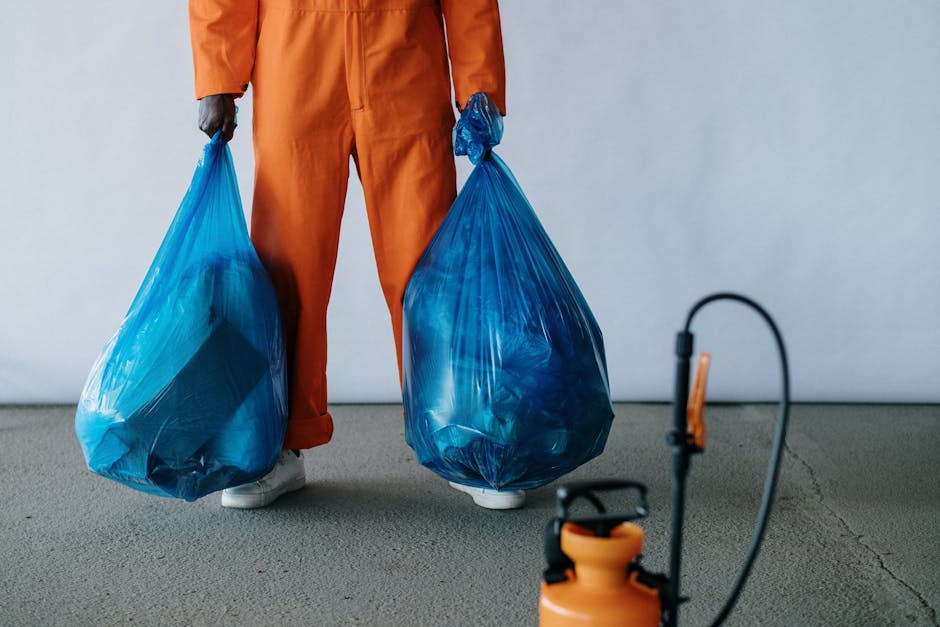
Waste disposal rules after removals Kingston Council requirements: what to do with leftover items after moving
After a house move, the boxes are gone, the van is unloaded, and suddenly you are left staring at a strange mix of broken flat-pack wood, old bedding, tape, packaging, and that one chair nobody wanted. That is usually when the real question starts: what are the waste disposal rules after removals Kingston Council requirements, and how do you clear everything legally without making a mess of it?
Truth be told, this is one of those moving jobs people underestimate. Waste left behind after removals is not just "rubbish". Some items can be reused, some should be recycled, and some need special handling. If you get it wrong, you risk fly-tipping, extra fees, or simply wasting time making two or three trips you never planned for. This guide breaks it down in plain English, with practical steps you can actually use.
Why Waste disposal rules after removals Kingston Council requirements Matters
When a move finishes, waste becomes part of the job whether you planned for it or not. Old furniture, damaged boxes, wrapping film, bulbs, carpets, and household clutter all need a proper route out. The reason this matters is simple: councils expect residents to dispose of waste responsibly, and removal days often generate more material than a normal weekly collection can handle.
For Kingston residents, the practical issue is not just where things go. It is also about what type of waste you are dealing with. A sofa, for example, is not the same as clean cardboard. A bag of mixed household rubbish is different again. And anything containing electrical parts, fluids, or sharp edges needs a little more care. That is where a sensible disposal plan saves you stress.
There is also a customer-side benefit. If you are working with house removals or home moves support, you can keep the move cleaner, safer, and faster by knowing what should leave with the movers and what should be set aside for disposal or recycling. It sounds small, but at 7:30 in the morning with hallways full of boxes, small things matter.
And yes, councils do care. Not in a dramatic way, but in the ordinary, everyday way local authorities have to manage waste collections, bulky waste, recycling rules, and the side effects of people moving home. If you understand the basics, you will almost always make better decisions.
Expert summary: The safest approach is to separate reusable items, recyclable materials, general household waste, and anything that needs special treatment before the move ends. That one habit prevents most disposal problems.
How Waste disposal rules after removals Kingston Council requirements Works
The process is usually more straightforward than people think. Start by sorting what is left after the move. In most cases, leftover removal waste falls into one of four buckets: reuse, recycle, general waste, or specialist disposal. Once you know which pile an item belongs in, the next step becomes much easier.
1. Reuse first where possible
Before anything goes in a bin or van, ask whether it can be used again. That old bookcase might still have life in it. Spare bedding may be accepted by someone else if it is clean and in decent condition. In removals, a lot of waste is really just "unwanted", not "unusable".
2. Separate recyclable material
Cardboard, paper, some plastics, metal packaging, and clean wood are often recyclable, depending on condition and local collection rules. It is always better to keep clean recyclables separate rather than dumping them into a mixed pile. If you have used packing and boxes during the move, flattening and sorting those materials early can save space and time.
3. Deal with general waste carefully
Broken items, dirty soft furnishings, food waste, torn packaging, and mixed material rubbish usually fall into general waste. The important thing is not to overfill bins or leave bags in the wrong place. If the waste is too bulky for normal household collection, you may need a different disposal route.
4. Isolate anything special
Some items need extra caution. That can include old paint, batteries, fridges, gas cylinders, fluorescent tubes, or electronics. You do not need to become an expert in waste legislation overnight, but you do need to recognise when an item should not be treated like ordinary rubbish. To be fair, that is where people get caught out most often.
Many households also use a removals partner who offers responsible handling through services like removal services or a man and van arrangement. That can be handy if you need the clutter moved out first and then want to sort disposal properly without the house becoming a halfway house for rubbish bags.
Key Benefits and Practical Advantages
Following the right disposal approach after a move is not just about compliance. It makes the whole transition calmer and more efficient. You will notice the difference immediately when the property is easier to clean, hand over, or list for the next stage.
- Cleaner handover: A clear property is easier to inspect, photograph, and sign off.
- Less stress: You are not left wondering which pile needs to go where.
- Lower risk of fines or complaints: Proper disposal reduces the chance of messy mistakes.
- Better recycling outcomes: Recyclable material is less likely to be lost in general waste.
- Safer moving day: Sharp, heavy, or awkward waste is less likely to cause trips and bumps.
- Better use of removals time: The team can focus on moving goods, not sorting an unexpected rubbish mountain.
There is also a less obvious benefit: mental relief. After a move, your head is already full. Keys, meters, forwarding mail, cleaners, storage, parking, the lot. Having a simple disposal system means one less thing spinning around in your brain at midnight.
Who This Is For and When It Makes Sense
This topic is relevant for almost anyone moving in or out of Kingston, but especially if you are dealing with more than a light refresh of a room. The more items you have, the more important disposal planning becomes.
It makes the most sense if you are:
- moving out of a long-term home with accumulated clutter
- clearing a flat where storage was tight to begin with
- disposing of damaged furniture after a move
- sorting boxes, packaging, and wrapping waste after a full removals day
- helping a relative downsize and needing a calmer, more organised process
- emptying an office and separating reusable items from disposal waste
- moving a student property and dealing with the usual mix of odds and ends
If your move is small, a straightforward student removals setup or a light flat removals job might only create a couple of bags and some cardboard. If it is a larger home or business move, you may need a more structured plan. A lot depends on volume, item type, and how quickly the property needs to be cleared.
Commercial customers should be even more careful. Emptying a workspace often means old chairs, broken monitors, packaging, paper files, and mixed equipment. In those cases, services such as commercial moves or office removals are useful because they help separate moveable assets from waste that needs disposal.
Step-by-Step Guidance
If you want a practical method, use this simple flow. It is not glamorous, but it works.
- Do a final sweep of every room. Check cupboards, loft spaces, under beds, behind appliances, and the backs of wardrobes. People forget items there all the time. Always.
- Sort into categories. Make four groups: keep, donate/reuse, recycle, and dispose.
- Separate clean materials. Flatten cardboard, bundle paper, and keep clean plastics apart where possible.
- Identify bulky items. Anything too large for a standard bin or sack needs a separate plan.
- Watch for restricted waste. Batteries, paint, solvents, and certain electrical items should not be mixed in with general rubbish.
- Decide whether you need collection help. If there is too much waste for your vehicle or bins, use a suitable removal solution.
- Arrange the timing. Try not to leave waste sitting around after the moving team has gone. It becomes harder to manage and easier to ignore.
- Confirm the property is clear. Do one last walk-through before handing back keys or moving on to the next phase.
When people are short on time, they often rely on a man with van style service for awkward items, or a dedicated furniture removals option when the main concern is bulky household pieces. That is often the most sensible route if you are clearing a roomful of items, not just a few boxes.
One useful habit: put a label on every pile. "Recycle", "charity", "dump", "keep". It feels a bit overly neat at first, but by the end of the day you will be grateful for the clarity.
Expert Tips for Better Results
Here are the little things that make a big difference. Not theory. Actual day-of-move stuff.
- Keep a separate waste corner. Choose one spot in the property for disposal items so they do not spread into every room.
- Take photos of bulky or awkward waste. This helps if you later need to describe what needs collecting.
- Use sturdy sacks, not random carrier bags. Weak bags split at the worst moment. Usually on stairs. Naturally.
- Protect floors when moving waste out. Wet boxes and dirty rubbish can leave marks, especially on fresh laminate or carpet.
- Plan for one extra bag than you think you need. There is almost always more waste than expected.
- Keep useful items near the exit. If something can be donated or reused, make it easy to remove quickly.
- Ask about recycling-led handling. If your removals provider is sustainability-minded, they may have a better route for sorting materials. That matters if you care about reducing landfill.
For bigger moves, especially where packaging and disassembly create a lot of debris, pairing waste sorting with packing and unpacking services can keep the whole thing under control. Less chaos, fewer forgotten bits under the bed, more calm. Nice, really.
Common Mistakes to Avoid
This is the section that saves people money and embarrassment. Let's face it, most disposal issues after removals come from a few repeated mistakes.
- Mixing everything together. If recyclables, general waste, and special items are all dumped into one pile, the whole lot becomes harder to handle properly.
- Leaving waste outside too early. Bags left in the wrong place can become a nuisance, attract complaints, or get damaged by weather.
- Assuming bulky items can be dumped anywhere. Sofas, mattresses, and broken furniture need a proper route.
- Forgetting about electricals. Chargers, kettles, lamps, and old TVs are easy to overlook.
- Overloading the car or van. Unsafe loading is a common issue, especially when people are tired and trying to "just get it done".
- Not checking what can be reused. One person's clutter is another person's useful item.
- Waiting until the last minute. That is how waste becomes an emergency.
There is also a paperwork side to some moves, especially business removals. If an office is clearing equipment, furniture, or stock, the waste trail should be more deliberate than at home. A good office relocation services provider will usually help you think through what leaves as reusable asset and what leaves as waste.
Tools, Resources and Recommendations
You do not need a complicated toolkit. In most moves, a few simple items make disposal much easier:
- heavy-duty bin bags or waste sacks
- marker pens or labels for sorting piles
- packing tape for bundling cardboard
- gloves for sharp or dusty items
- a sack truck or trolley for heavier rubbish
- blanket or floor protection for moving awkward waste through the property
On the service side, the most useful support is often not "more muscle" but the right kind of vehicle and handling. A removal van, for example, can be the practical middle ground for moving bulky waste from a property to a proper disposal point, while moving truck hire may suit larger clearances.
If storage is part of the story, keep in mind that waste and stored items should not be mixed together. A temporary storage solution can help when you are not ready to decide whether certain items should be kept, sold, or removed. That pause can be useful. Sometimes people need an extra week to think straight, and that is fair enough.
For customers who want their move handled with care from start to finish, it can also help to review a provider's health and safety policy and recycling and sustainability approach. Those pages do not replace local disposal rules, but they do tell you how seriously a company takes responsible handling.
Law, Compliance, Standards, or Best Practice
This part deserves plain language. In the UK, waste should be handled responsibly and not dumped where it should not be. Fly-tipping is a serious issue, and if waste from a move is left in an unsuitable place, the person responsible can face problems. The exact legal position can depend on the item, the location, and who is handling the waste, so it is wise to treat disposal as something to organise carefully, not casually.
Best practice is simple:
- use only legitimate disposal routes
- separate recyclable material from general rubbish
- treat hazardous or restricted items with extra caution
- keep records if you are disposing of business waste
- make sure the removals provider is insured and clear about handling expectations
That last point matters more than people think. If you are dealing with heavy furniture, fragile items, or mixed waste, it helps to use a company with a clear insurance and safety approach. It is not about being cautious for the sake of it. It is about protecting your property, the movers, and anyone who later inspects the space.
For customers who want the fine print too, it is sensible to check terms and conditions before booking. That can clarify what is included, what is excluded, and who is responsible for special waste or access issues. And if anything goes wrong, a clear complaints procedure is a sign that the business takes accountability seriously.
Options, Methods, or Comparison Table
Different types of leftover waste call for different methods. Here is a simple comparison that helps people choose the right route without overthinking it.
| Waste type | Best approach | Why it works | Common watch-out |
|---|---|---|---|
| Clean cardboard and paper | Flatten and recycle | Takes less space and is usually straightforward to sort | Wet or food-stained material may no longer be recyclable |
| Old furniture | Reuse, donate, or arrange furniture removal | Keeps bulky items out of general waste | Damaged or contaminated items may need different handling |
| Mixed household rubbish | Bag securely for general disposal | Simple and contained | Overfilling bags creates mess and can be unsafe |
| Electrical items | Separate for specific disposal route | Reduces risk and supports proper processing | Do not treat as ordinary rubbish |
| Office clear-out waste | Sort reuse, recycle, and disposal streams | Helpful for compliance and efficiency | Paper records and hardware need careful handling |
For bulky household items, a dedicated collection via furniture pick up can be more efficient than trying to force everything into one car load. If the move is time-sensitive, some people also look at same day removals support, though it is always better to plan ahead if you can.
Case Study or Real-World Example
Here is a realistic example from a typical moving day. A family in Kingston finishes a two-bedroom move on a wet Thursday morning. The house is mostly empty, but they still have a cracked chest of drawers, three bags of torn wrapping, flat-pack packaging, an old printer, and a mattress that should not be reused.
Instead of mixing everything together, they separate it like this:
- cardboard into a flattened recycling stack
- soft packaging into general waste
- the printer into the electricals pile
- the mattress and chest of drawers into bulky disposal
- one box of usable kitchen items to donate
The removals team clears the main furniture first, then the remaining waste is taken out in a controlled way. No one is tripping over loose tape or crushing cardboard in the hallway. The property ends up easier to clean, and the handover is calmer. Nothing dramatic. Just a smoother day.
This sort of approach is also useful for smaller properties. A one-bed flat can create a surprising amount of waste, especially if the person has used lots of packaging, quick assembly furniture, or temporary storage. Even a simple man with van booking can go a lot better when the waste is already sorted and ready to remove.
Practical Checklist
Use this before and after removals to keep disposal under control.
- Do a final room-by-room sweep
- Separate keep, donate, recycle, and dispose items
- Flatten cardboard and bundling clean paper
- Set aside electrical items, batteries, and other special waste
- Bag general rubbish securely
- Keep bulky waste away from walkways
- Check whether furniture can be reused or picked up separately
- Confirm what your removals provider will take
- Review any house rules, building rules, or access restrictions
- Make sure nothing is left behind in cupboards, sheds, lofts, or under stairs
- Do a final property check before leaving
Quick takeaway: if you sort waste as you go, removal day stays manageable. If you leave sorting until the last minute, the whole thing becomes heavier, slower, and oddly harder to think about. Funny how that works.
If you are comparing providers, it can also help to look at removal companies carefully and check whether they are transparent about handling waste, protection, and payment. For many households, clear pricing from pricing and quotes information is just as important as the move itself.
Conclusion
Waste disposal after a move is one of those jobs that feels minor until it suddenly becomes the thing holding everything up. The good news is that the process is very manageable once you separate waste types, plan for bulky items, and use the right disposal route for each category. That is really the heart of waste disposal rules after removals Kingston Council requirements: responsibility, sorting, and common sense.
If you keep recyclable materials separate, handle special waste carefully, and avoid dumping everything into one last-minute pile, you will save time and avoid a lot of stress. And honestly, a clean, well-cleared property just feels better. You can hear the difference in the room. Less echo, less clutter, less noise in your head.
Get a free quote today and see how much you can save.
When you are ready, choose the route that keeps things simple, safe, and respectful of the space you are leaving behind. That little bit of care goes a long way.
Frequently Asked Questions
What should I do with waste left after removals in Kingston?
Start by sorting it into reusable items, recyclables, general waste, and anything that needs special handling. Then choose the right disposal route for each pile. That keeps the process clean and avoids mixing everything into one unmanageable mess.
Can I leave cardboard and packing waste outside after moving?
Only if it is intended for collection and kept tidy, dry, and within whatever local collection arrangement applies. Flattening boxes and keeping clean cardboard separate is usually the best first step.
Are old sofas and mattresses treated as ordinary rubbish?
No, bulky furniture usually needs a separate disposal or collection route. Sofas and mattresses are common post-move items that should not simply be thrown in with general household waste.
What counts as special waste after a move?
Items such as batteries, paint, chemicals, certain electrical goods, and anything with fluids or hazardous parts should be treated carefully. If in doubt, keep it separate from ordinary rubbish until you know the right route.
Do removal companies take waste away as part of the move?
Sometimes they do, but it depends on the company and the booking. Always check what is included before the move day. A clear agreement avoids awkward surprises when you are already tired.
Is recycling better than putting everything in general waste?
Yes, where recycling is possible and the material is clean enough to be accepted. It is usually better for the environment and often makes the property easier to clear at the end of the move.
What is the best way to dispose of leftover furniture?
If it is in good condition, reuse or donation is often the first option. If it is broken, bulky, or unsafe to keep, use a proper furniture removal or pickup route instead of trying to force it into ordinary bins.
How can I avoid waste issues on moving day?
Sort early, label piles clearly, and keep a dedicated area for disposal items. A simple plan makes a huge difference. Honestly, the earlier you start, the calmer the day feels.
What if I am moving from a flat with limited space?
Limited space makes sorting even more important. Flats often need tighter planning, so it helps to use a compact disposal setup and, where useful, a service designed for smaller properties.
Should I keep waste separate from items going into storage?
Absolutely. Storage is for items you may still need. Waste should be cleared out and dealt with properly, otherwise you just postpone the same problem and make storage more cluttered than it needs to be.
Do office moves have different waste concerns?
Yes, office waste often includes equipment, confidential papers, mixed packaging, and larger furniture items. It is worth being more structured with sorting and disposal, especially in commercial settings.
What is the safest next step if I have a lot of mixed waste after removals?
Speak to a removals provider that can help you separate moving items from disposal items, then choose the right transport or clearance option for the waste. A little planning now saves a lot of lifting later.