Eden Street Kingston removals advice for narrow access
If you are moving on or near Eden Street in Kingston, narrow access can turn a normal house move into a bit of a puzzle. Tight streets, awkward parking, stairwells that seem to narrow halfway up, and doorways that barely forgive a bulky sofa all make planning matter more than usual. The good news? With the right approach, Eden Street Kingston removals advice for narrow access is straightforward, practical, and very manageable.
This guide explains what narrow-access removals actually involve, why they need careful preparation, and how to avoid the common headaches that catch people out on moving day. You will also find a clear checklist, a comparison of useful moving options, and real-world tips that work in the kind of lived-in, central Kingston properties people actually move in and out of. To be fair, a good move here is less about luck and more about preparation.
For broader service details, you may also find our removal services in Kingston page helpful, especially if you are comparing options for flats, houses, or smaller access jobs.
Table of Contents
- Why Eden Street Kingston removals advice for narrow access Matters
- How Eden Street Kingston removals advice for narrow access Works
- Key Benefits and Practical Advantages
- Who This Is For and When It Makes Sense
- Step-by-Step Guidance
- Expert Tips for Better Results
- Common Mistakes to Avoid
- Tools, Resources and Recommendations
- Law, Compliance, Standards, or Best Practice
- Options, Methods, or Comparison Table
- Case Study or Real-World Example
- Practical Checklist
- Conclusion
- Frequently Asked Questions
Why Eden Street Kingston removals advice for narrow access Matters
Narrow access changes the whole rhythm of a move. On a wide suburban road, a removals van may pull up, load quickly, and be on its way. In a tighter Kingston setting, especially around streets like Eden Street, you may have to think about where the van can stop, how far items need to be carried, whether there is room to turn, and whether furniture can physically make it through the route from the property to the vehicle.
That matters for three simple reasons.
- Time: more carrying distance and slower loading can stretch the schedule.
- Safety: cramped hallways and tight corners raise the risk of scuffs, trips, and heavy lifting strain.
- Cost and planning: if access is not understood in advance, the move may need extra labour, smaller transport, or a different loading setup.
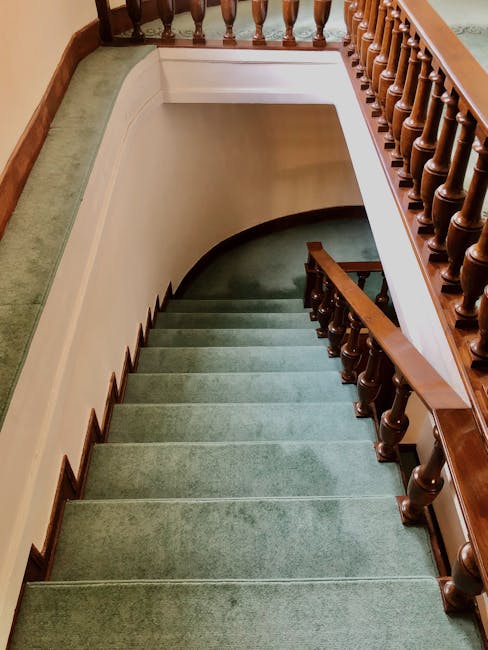
It is also worth saying that narrow access is not just about the street outside. A property can be "easy" from the road but awkward inside, with steep stairs, narrow landings, split-level rooms, or old doors that have seen better days. This is why a proper assessment matters before moving day rather than during it, when everyone is already carrying a wardrobe and the clock is quietly ticking.
If you are still weighing service levels, our removal companies in Kingston guide can help you understand what a good provider should offer before you book.
How Eden Street Kingston removals advice for narrow access Works
In practice, narrow-access removals are all about reducing uncertainty. The aim is to identify the route, the obstacles, the item sizes, and the best way to move everything without drama. There is nothing mystical about it. It is just careful logistics, done properly.
A typical process usually looks like this:
- Initial assessment: you describe the property, street access, parking conditions, stairs, and any large or awkward items.
- Route check: the mover considers the path from the property to the van, including steps, shared entrances, lift access, gates, and any tight turns.
- Vehicle and crew planning: the right van size, loading sequence, and number of people are matched to the job.
- Packing and disassembly: larger furniture is often reduced in size where possible, and fragile items are packed securely.
- Move-day execution: items are carried using protective equipment, with attention to walls, floors, banisters, and neighbours.
For smaller or tighter moves, a man with a van in Kingston can sometimes be the most flexible option, especially where parking is limited and access is more about agility than volume. For full household moves, a larger team may still be better, but the narrow access information needs to be accurate from the start.
In many cases, a quick photo walk-through on your phone can help. A few pictures of the street, hallway, stairs, and main furniture items often tell a story that a short phone call cannot. And honestly, that small extra step can save a lot of stress later.
Key Benefits and Practical Advantages
Good narrow-access planning does more than protect the walls. It improves the whole moving experience in ways that are easy to underestimate before the day arrives.
- Less damage risk: careful route planning reduces knocks, scrapes, and accidental contact with fittings or paintwork.
- Smoother timing: realistic scheduling means fewer delays and less standing around while a sofa tries to negotiate an impossibly tight bend.
- Better cost control: accurate access information helps avoid last-minute changes and wasted labour.
- Less disruption to neighbours: fewer repeated trips, less blocking of shared entrances, and more consideration for local access.
- More confident packing: you can decide earlier what needs dismantling, wrapping, or storage.
There is another advantage that people often miss: narrow-access planning makes decision-making easier. If a wardrobe will not clear the stairwell, you know early. That gives you time to dismantle it, sell it, store it, or move it in a different way. No panic, no last-minute improvisation in the doorway while someone mutters, "It definitely fitted when we bought it..."
For furniture-heavy moves, our furniture removals Kingston page gives a useful sense of how specialist handling helps with bulky pieces and awkward access.
Who This Is For and When It Makes Sense
This advice is especially useful if your move involves any of the following:
- a flat above ground floor level
- shared entrances or communal hallways
- limited roadside parking or loading space
- older Kingston properties with narrow internal routes
- heavy or awkward items such as wardrobes, beds, sofas, pianos, or white goods
- a move on a busy day when traffic and pedestrian flow are likely to be tighter than usual
It also makes sense for people moving on a schedule that is already under pressure. Students moving between term lets, families completing a sale and purchase on the same day, or office teams working around business hours all benefit from a tighter plan. If you are dealing with an urgent timeline, our same-day removals Kingston page may also be useful as a reference point for short-notice moving support.
Narrow access is not a reason to panic. It is simply a signal that the move needs a bit more thought. Truth be told, that is often the difference between a rough morning and a surprisingly calm one.
Step-by-Step Guidance
Here is a practical way to handle a narrow-access move around Eden Street without making it harder than it needs to be.
1. Measure the route, not just the rooms
Measure door widths, stair width at the tightest point, landings, and any corners where furniture has to turn. Do not forget ceiling height on stairs, railings, and the width of the front path or entrance. A tape measure and ten minutes can save a lot of trouble. Sometimes people measure the sofa and forget the bend that matters most. Classic.
2. Check parking and stopping options early
If the van cannot park close to the property, loading time and carrying distance increase quickly. Think about where a vehicle can safely stop, whether there are restrictions, and whether neighbours or building access need to be considered. If parking is tight, smaller vehicles or a split-load approach may be more practical than trying to force a large van into an awkward spot.
3. Identify the large items first
List the awkward pieces before you pack the smaller stuff. Sofas, beds, wardrobes, mirrors, dining tables, and large appliances deserve special attention. These are the items most likely to need dismantling or protective wrapping. For fragile or oversized items, specialist support such as piano removals Kingston can be relevant if your move includes something especially delicate or heavy.
4. Decide what should be dismantled
Where possible, remove legs, shelves, bed frames, and table tops before the move. That often turns an impossible-shaped item into something much easier to carry. Keep screws and fittings in labelled bags. It sounds painfully simple, but it saves time later.
5. Pack for a tighter carry
Use sturdy boxes, consistent sizes where possible, and plenty of padding for breakables. Avoid overfilling boxes, because a heavy box in a narrow stairwell is nobody's friend. If you need supplies, our packing and boxes Kingston page is a sensible place to start.
6. Protect the route
Use floor covers, corner protectors, and door frame protection if needed. In many narrow-access properties, the inside route matters just as much as the road outside. A small chip in a painted wall can become the thing you notice every time you walk past it, which is annoying in a way only home moves seem to achieve.
7. Confirm the move-day plan in writing
Make sure you and the removal team agree on arrival time, access notes, item list, and any building restrictions. If your home or building has a management office, porter, or shared entry requirement, let everyone know ahead of time.
Expert Tips for Better Results
These are the practical little details that tend to make a big difference.
- Use photos and videos: a quick walk-through video is often more useful than a long explanation.
- Keep a clear path: move shoes, coats, bins, bikes, and loose clutter out of the route before the team arrives.
- Label awkward items: mark furniture that must stay upright, be handled by two people, or needs special care.
- Separate essentials: keep documents, chargers, medication, keys, and a kettle box with you.
- Expect small delays: with narrow access, a little patience goes a long way. Rushing usually makes things worse.
If you are comparing services more broadly, our house removals Kingston page can help if you are moving a full home, while flat removals Kingston is often a better fit for apartment-style access and stair-heavy moves.
One small expert habit: always check the route for turning angles as well as width. A piece of furniture can technically fit through a gap and still fail at the corner. That is where people get caught out, quite often actually.
Common Mistakes to Avoid
Narrow access moves tend to go wrong in predictable ways. The upside is that most of them are avoidable.
- Guessing measurements: "It should fit" is not a measurement.
- Ignoring the carrying distance: a 15-metre walk becomes a long one when repeated dozens of times.
- Failing to mention stairs or lifts: even one extra flight changes the job.
- Not planning parking: a van that has to circle the block is wasting time and energy.
- Leaving bulky items assembled: this is a common reason wardrobes and beds become awkward fast.
- Overpacking boxes: heavy boxes are harder to carry safely through narrow spaces.
- Forgetting neighbours or building rules: shared access needs a bit of courtesy and planning.
There is also a quieter mistake: not booking the right kind of help. A full-scale home removals crew is not always the best fit for a small, fiddly move, and a very small van is not always enough for bulky furniture. Getting that balance right matters. If you are unsure, a good provider should be able to steer you sensibly rather than overselling the wrong setup.
Tools, Resources and Recommendations
You do not need a truckload of specialist gear to manage narrow access well, but a few tools and resources make life easier.
- Measuring tape: for doors, stairs, landings, and furniture dimensions.
- Furniture blankets and wraps: to prevent scuffs and protect finishes.
- Straps and trolley equipment: helpful for heavier items, though only when the route allows safe use.
- Labels and marker pens: make packing less chaotic.
- Phone camera: for access photos, video walk-throughs, and item references.
- Storage options: useful if some items need to be moved out before the final property is ready.
For moves that need temporary overflow space, our storage options can help you think through short-term placement without crowding a narrow property. And if you want to understand how service types differ, the services overview is a sensible reference point.
If you are still at the planning stage, our pricing and quotes page can also help you understand what information is typically needed for a more accurate estimate. Little detail matters here. A lot.
Law, Compliance, Standards, or Best Practice
For a move with narrow access, the main compliance concerns are usually practical rather than legal in the dramatic sense. You are mainly dealing with access permissions, health and safety, insurance, and considerate working practices.
Best practice in the UK removals industry generally includes the following:
- carrying out sensible pre-move access checks
- using appropriate lifting techniques and team handling where needed
- protecting floors, walls, and door frames where practical
- keeping items secure during transport
- working within agreed building rules and parking arrangements
- making sure the provider has suitable insurance and operational procedures
It is also sensible to review company policies before booking. Our pages on health and safety and insurance and safety explain the kind of careful approach you should expect from a professional removals team. If you want to know more about the business behind the service, the about us page is useful too.
For the sake of clarity, this article is not legal advice. But in ordinary terms, if a building has rules, you should follow them; if access is tight, you should plan for it; and if something feels unsafe to lift, it probably is. Simple enough, really.
Options, Methods, or Comparison Table
Different access conditions call for different moving approaches. Here is a practical comparison to help you decide what fits best.
| Moving option | Best for | Strengths | Watch-outs |
|---|---|---|---|
| Man with a van | Smaller moves, limited items, flexible loading | Agile, often easier on tight streets, good for short-notice jobs | Less suited to large household moves or multiple bulky items |
| Flat removals team | Apartment moves, stair access, communal buildings | More support for carrying, packing, and access planning | May cost more than a very small service, but often worth it |
| Full house removals | Family homes, larger inventories, more complex logistics | Best for volume and structured relocation planning | Needs accurate access detail to avoid scheduling issues |
| Storage first, move later | Staged moves, delayed completion, awkward property timelines | Reduces pressure and can simplify narrow access on move day | Requires extra planning and an additional handover step |
For students or people moving a smaller household setup, student removals Kingston can be a sensible service route. For office relocations, the workflow is different again, so our office removals Kingston page may be the better fit if you are moving work equipment, desks, or archive boxes.
The best option is not always the biggest one. Sometimes the smartest answer is the smallest van that can do the job well.
Case Study or Real-World Example
Imagine a couple moving out of a first-floor flat near Eden Street. The building has a narrow shared staircase, a small entrance hall, and on-street parking that is rarely generous. They have a sofa, bed frame, tall bookcase, dining table, and around thirty boxes. Nothing outrageous, but enough to make the access tricky.
Instead of waiting until move day, they take three short videos: one of the street, one of the entry path and front door, and one of the staircase and landing. They also measure the wardrobe, sofa, and bed frame. One wardrobe is clearly the problem piece. It will not make the corner in one piece.
So they dismantle the wardrobe, label the fittings, and pack the screws in a small bag taped to the back panel. They also keep the hallway clear and arrange the parking plan the day before. The result? Fewer surprises, fewer awkward pauses, and a lot less stress on the day. Not glamorous, but effective.
This kind of planning is exactly why narrow-access advice matters. It does not make the move magical. It just makes it honest, and honesty is very useful when stairs are involved.
Practical Checklist
Use this quick checklist before your move:
- Measure all doors, hallways, stairs, and landings
- Check parking and loading space near Eden Street
- List all large, heavy, or awkward items
- Decide what needs dismantling in advance
- Pack boxes in manageable weights
- Protect floors, walls, and furniture where needed
- Share access photos or a video with your removals provider
- Confirm move time, address, and contact details
- Check building rules, lift bookings, or shared entrance arrangements
- Keep essentials separate for easy access on arrival
Practical takeaway: with narrow access, the real job starts before the van arrives. If you measure properly, communicate clearly, and choose the right service level, the move becomes much easier to manage.
If you want local advice tailored to your move, our contact page is the easiest place to get in touch and talk through your access details.
Conclusion
Eden Street Kingston removals advice for narrow access comes down to a simple idea: do not leave access to chance. Measure the route, plan the parking, dismantle what you can, and choose a removals option that fits the property rather than fighting it. That small bit of preparation can save time, reduce damage risk, and make the whole day feel far more under control.
Whether you are moving from a compact flat, a family home, or a property with a fiddly staircase and not much room to spare, a careful plan is usually the difference between a stressful move and a smooth one. And honestly, a smooth one is a lovely thing when you are carrying boxes before breakfast.
Get a free quote today and see how much you can save.
Move well, keep it calm, and give yourself the easiest possible start in your new place.
Frequently Asked Questions
What does narrow access mean for a removals job?
Narrow access usually means the property, street, or route to the property has limited space for carrying furniture, parking a van, or manoeuvring bulky items. That can include tight staircases, small hallways, awkward turns, or limited roadside stopping space.
Do I need to mention narrow access when getting a quote?
Yes, absolutely. It helps the removals provider estimate labour, vehicle size, and timing more accurately. Leaving it out can lead to delays or a quote that does not reflect the real job.
Should I dismantle furniture before a narrow-access move?
If the item is large or likely to catch on a corner, dismantling is usually worth it. Beds, wardrobes, dining tables, and some desks are common examples. Keep all fittings together and labelled so reassembly is easier later.
Is a man and van service enough for Eden Street removals?
Sometimes, yes. For smaller loads or flexible moves, a man and van service can be ideal. For larger homes or multiple heavy items, you may need a fuller removals team. The right answer depends on volume, access, and how much lifting is involved.
How do I prepare for parking restrictions near my property?
Check where a van can legally and safely stop, and think about whether parking is likely to be busy at your move time. If possible, plan a spot in advance and let the removals team know about any restrictions or loading bays.
What if my sofa or wardrobe will not fit through the staircase?
If an item will not fit, the usual options are dismantling, taking an alternative route, or placing it into storage until a better delivery point is available. It is better to find that out early than on the stairs with everyone already committed.
Can removals teams protect walls and floors in narrow spaces?
Yes, many professional teams use floor runners, blankets, and protective coverings to help reduce scuffs and knocks. It is still wise to confirm what protection is included before the move.
What should I send when asking for advice on a narrow-access move?
Photos or a short video are very helpful. Send images of the street, entrance, hallway, stairs, and any large furniture items. A written note about parking, lift access, and any building rules is useful too.
Is narrow access more expensive?
It can be, because it may require more time, more labour, or a different moving setup. That said, not every narrow-access move is expensive. Clear planning often helps keep the cost under control.
Do I need special insurance for a tight move?
You should check that the removals company has suitable insurance and that it covers the type of work being carried out. For anything delicate, heavy, or especially awkward, it is sensible to ask what protection is in place.
How far in advance should I arrange a narrow-access move?
As early as you can, especially if the property has tricky access or if you are moving at a busy time of year. Early planning gives you time to measure, photograph, dismantle furniture, and avoid last-minute pressure.
Where can I read more about Kingston moving support?
You can explore our removals Kingston page for a broader overview, or browse local guidance such as living in Kingston and Kingston property advice if you are still planning your next step.